Title
ATO; Beautiful Gift
Artist
Opening Reception
Exhibition Period
Gallery AP SPACE is proud to present ATO: Beautiful Gift, a special noncommercial exhibition showcasing works from six renowned contemporary Korean artists. The exhibition will run from October 10 to November 23, 2024, at the gallery's space in Chelsea, Manhattan.
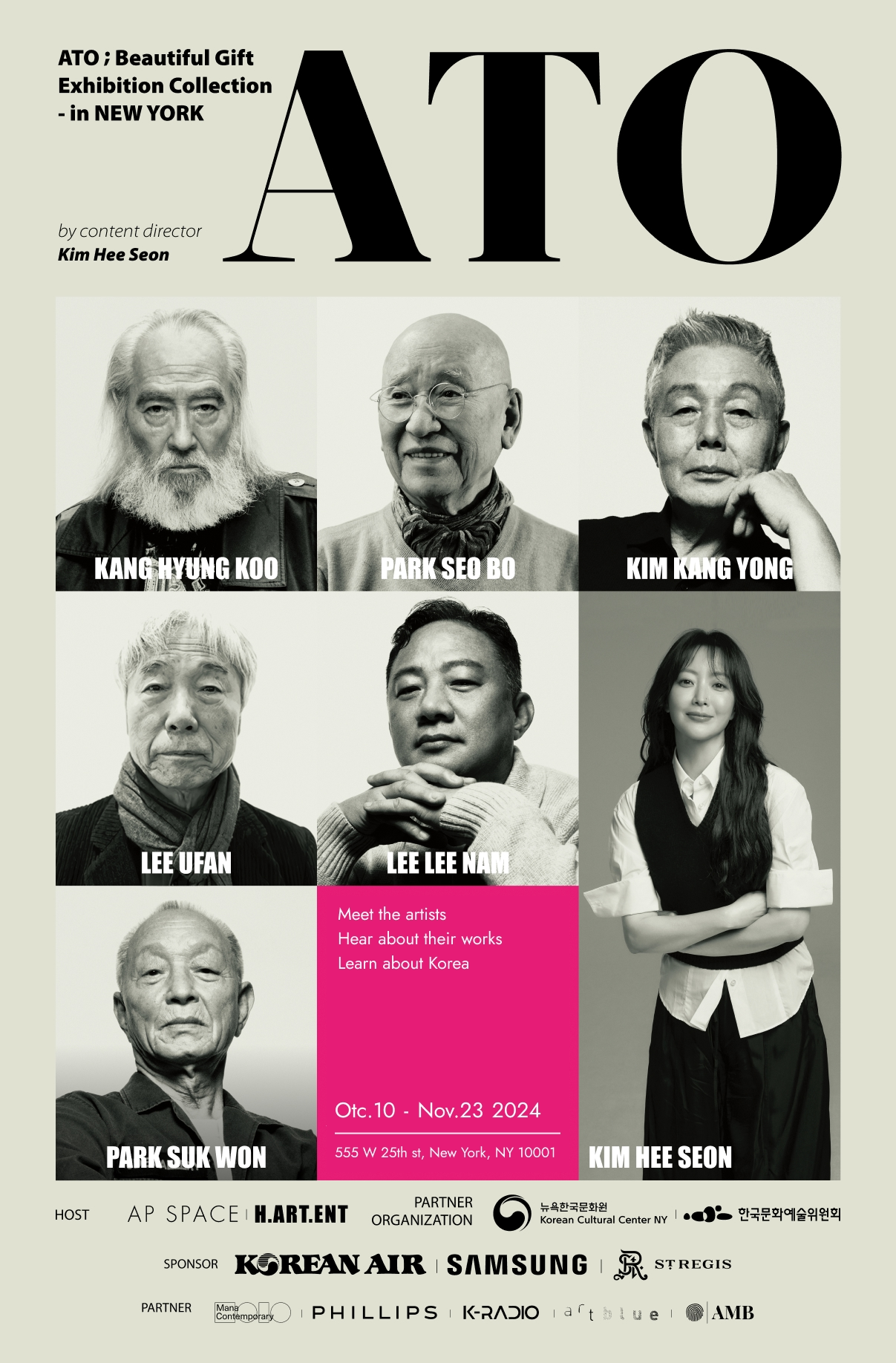
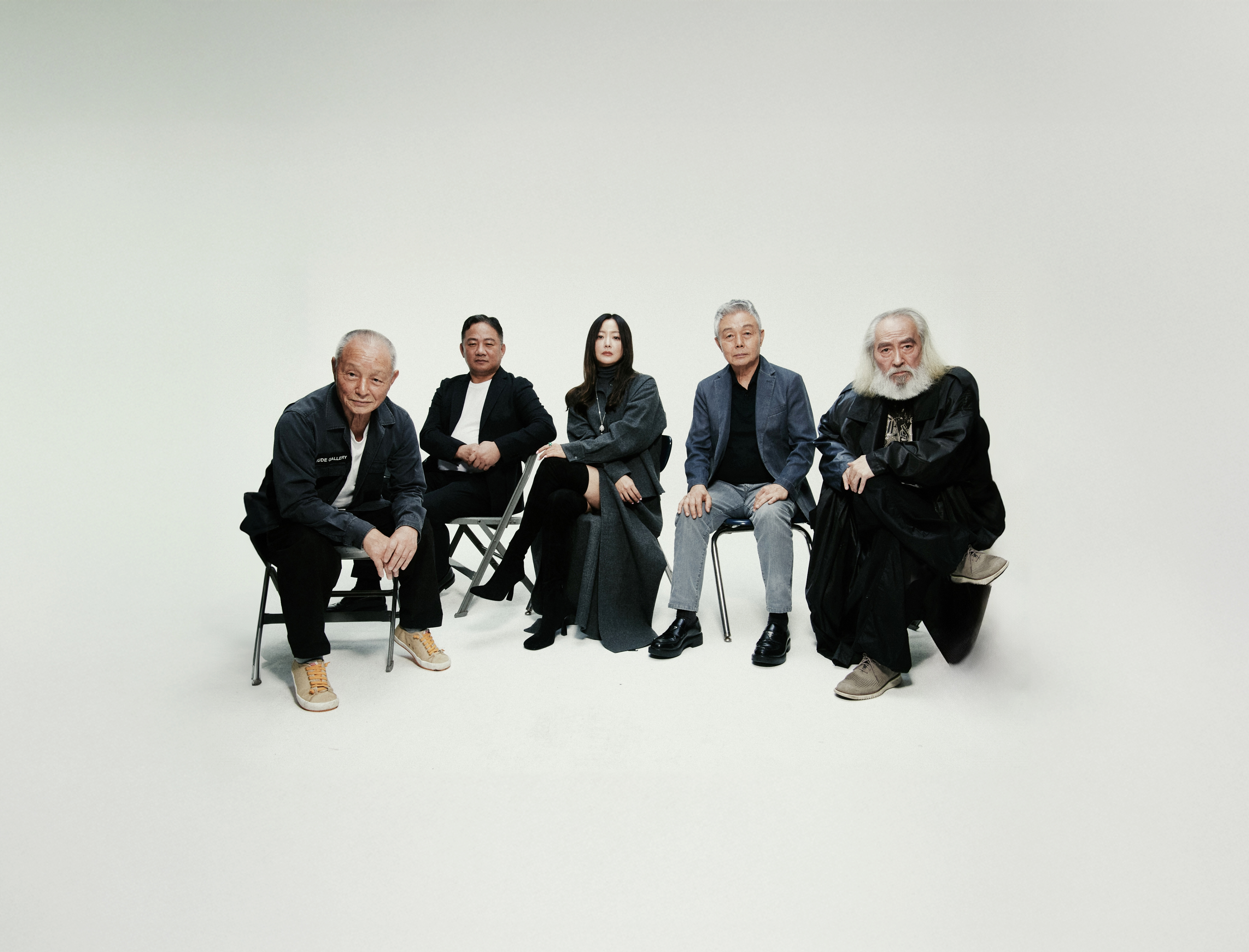
Curated by beloved South Korean actress Kim Hee Seon, ATO: beautiful gift brings together six major contemporary Korean artists, Kim Kang-yong, the late ParkSeo-bo, Park Suk Won, Lee Ufan, Kang Hyong Koo and Lee Lee Nam to New Yorkfor a special noncommercial exhibition at AP Space where 32 works will be presentedduring October 10 - November 26, 2024. Following its critically acclaimed debut at The Hyundai in Seoul (September 2023), where it attracted over 40,000 visitors, this marks the exhibition’s first appearance in the United States.
Kim Hee Seon, a prominent figure in Korean and Chinese television and film, serves as both content director and curator for the project. Known for her passion for fine arts, Kim curated the exhibition after extensive studio visits with each artist, crafting an immersive experience aimed at fostering cross-cultural dialogue through art.

2.avif)
3.avif)
"Bringing ATO: Beautiful Gift to New York is a pivotal moment for these artists," said Jean Park, Director of Gallery AP SPACE. "This exhibition celebrates Korean artistic excellence and its impact on global contemporary art. We invite everyone to experience this unique cultural event."In addition to the exhibition, a documentary crew from Korean Public Television will accompany Kim Hee Seon and the artists to New York, capturing their interactions with American cultural figures
%202.avif)
%203.avif)


Artist
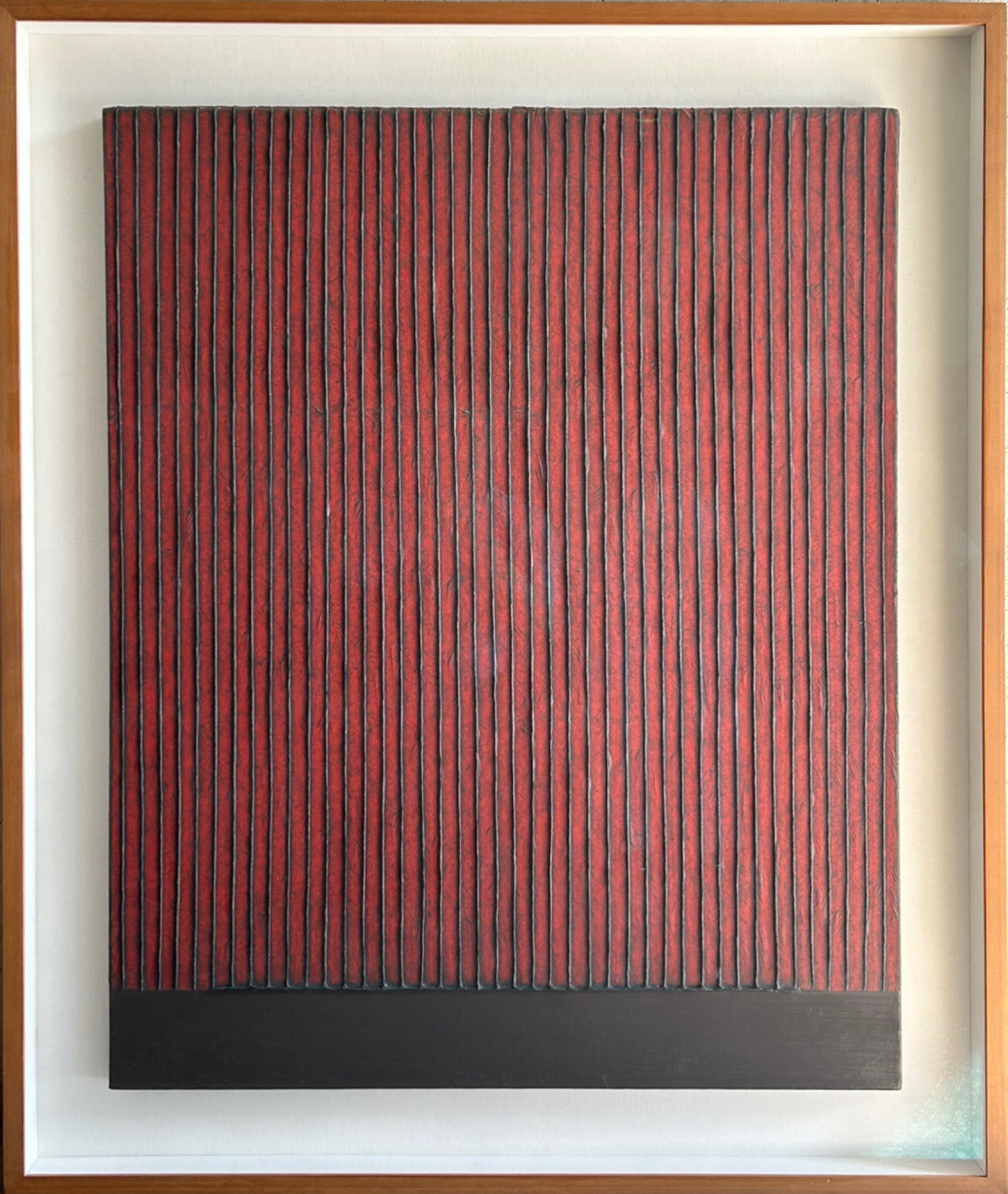
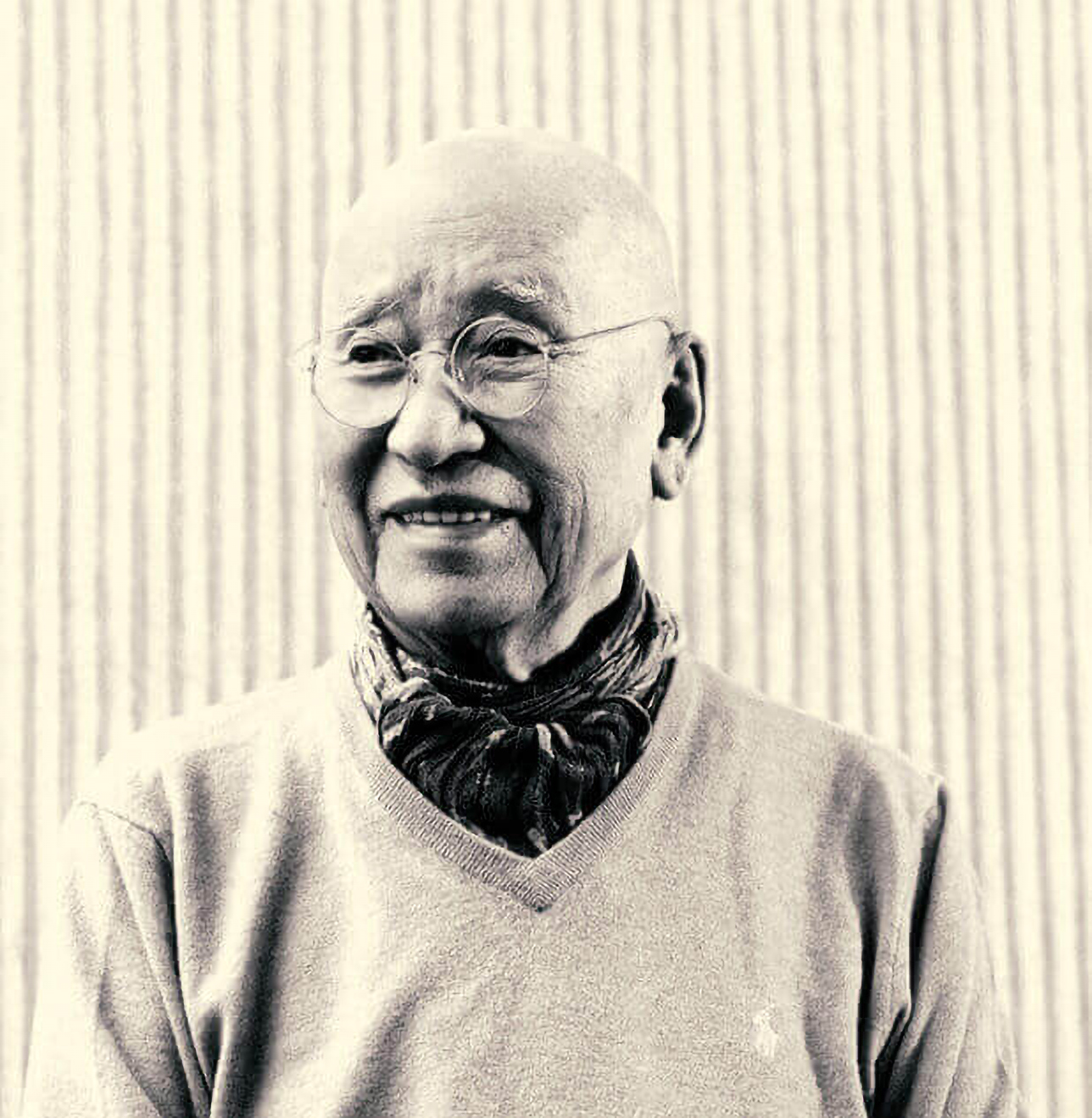
Park Seo-Bo (1931–2023) was a pioneering figure in Korean contemporary art and is widely recognized as a founding force behind the Dansaekhwa (monochrome painting) movement. Born in Yecheon during the Japanese occupation, Park came of age during a turbulent era that deeply shaped his worldview and artistic direction. He studied at Hongik University, later becoming a professor and dean there, and played a key role in introducing abstract art to postwar Korea during a time when traditional styles still dominated. His early experimentation with Western modernism gradually gave way to a more introspective and spiritually rooted practice grounded in Eastern philosophy.
His most acclaimed body of work, the Écriture series, began in the late 1960s and remained the focus of his career for decades. These works are known for their repetitive, meditative marks—often pencil lines carved into wet oil paint or layered hanji paper. Park’s process-oriented approach reflected his belief in art as a discipline of self-restraint and inner reflection rather than self-expression. His work was exhibited globally, with major shows at institutions such as the Guggenheim Museum, Tate Liverpool, and Korea’s National Museum of Modern and Contemporary Art. His paintings are housed in major collections including MoMA, the Art Institute of Chicago, and M+ in Hong Kong. Park was also a passionate educator and advocate for Korean contemporary art, founding the Seo-Bo Art and Cultural Foundation in 1994. He passed away in 2023, leaving behind a profound legacy that continues to resonate worldwide.
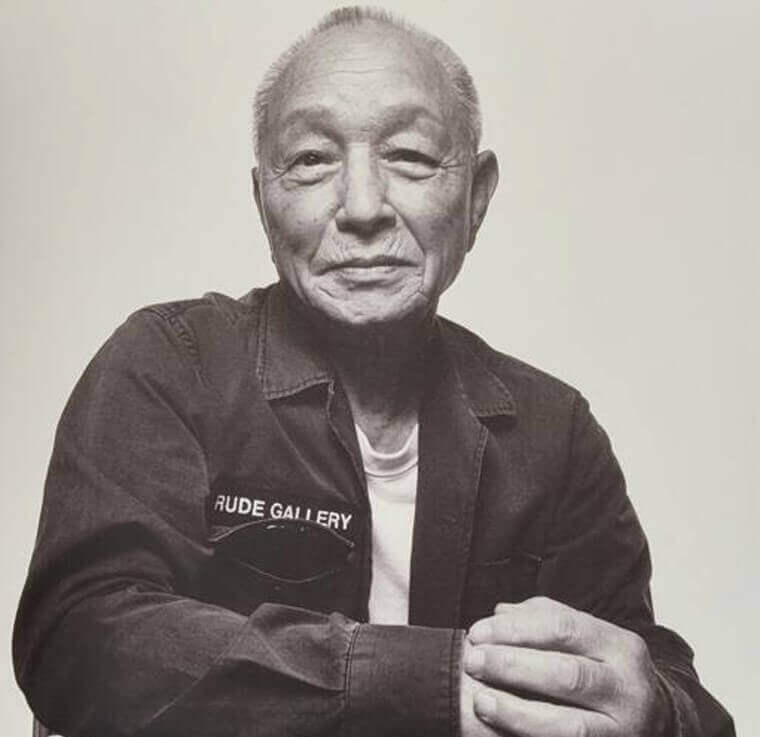
Sukwon Park (born 1942, South Korea) is a pioneering sculptor whose work has played a central role in shaping the trajectory of Korean contemporary art. A founding member of the influential Korean Avant-Garde Group (AG) active from 1969 to 1975, Park emerged onto the international stage with appearances in major exhibitions including the 5th Paris Biennale (1966), the 10th São Paulo Biennale (1969), and the first-ever Sydney Biennale (1973). His early sculpture Scorched Earth (1968) marked a bold statement in response to the trauma of war and rapid modernization in postwar Korea.
Throughout the 1980s, Park developed his signature Accumulation series, using repetition, segmentation, and layering of natural materials such as stone, wood, and traditional Korean hanji paper. His process often focuses on the inherent texture and form of the materials, creating works that are as meditative as they are physical. Park’s approach departs from traditional sculptural conventions, allowing material transformation and raw form to guide the composition. His works are part of major public collections, including the National Museum of Modern and Contemporary Art (MMCA) and Daegu Art Museum. With over two decades of solo exhibitions and hundreds of group shows worldwide, Park remains a vital voice in Korean abstraction.
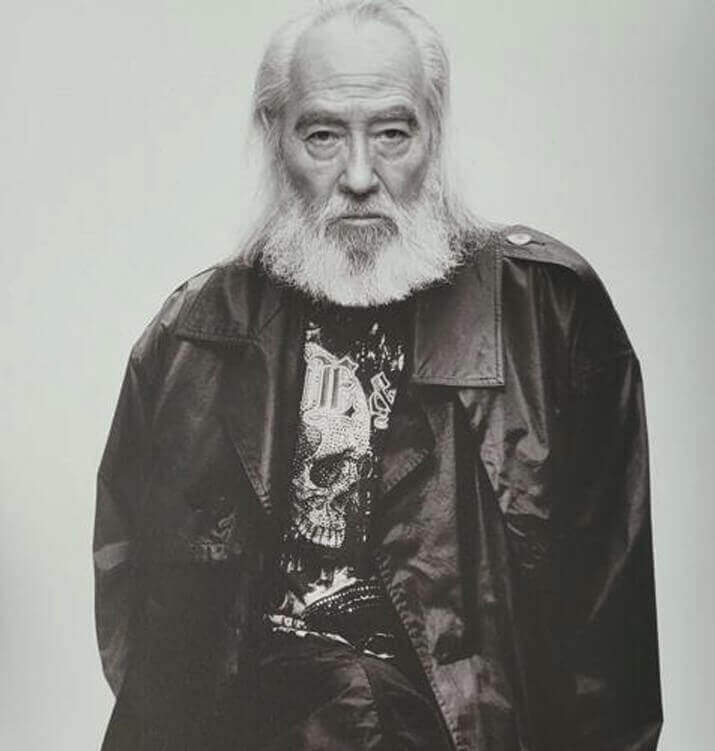
Hyung Koo Kang was born in 1955 in Gyeonggi-do, South Korea and is a contemporary artist best known for his hyper realistic portraits that go far beyond photographic precision. A graduate of Chung-Ang University in Seoul, Kang didn’t fully devote himself to painting until his late 30s, but once he did, his meticulous, emotionally resonant work quickly gained international attention. He often reimagines iconic figures like Marilyn Monroe, Albert Einstein, and Vincent van Gogh, not to replicate them, but to capture something deeper about their character and legacy. His unique technique, which involves using tools like cotton swabs, drills, and even nails, allows him to bring out textures and details that evoke intense intimacy and presence.
Kang’s portraits often explore themes of identity, time, and the fragility of human experience. He has created aged versions of himself and famous figures, imagining them across different phases of life. His work has been exhibited in major institutions around the world, including the Singapore Art Museum and Arario Gallery in New York. One of his standout paintings, Vincent van Gogh in Blue, sold for a record-breaking price at Christie’s Hong Kong in 2007, marking a significant moment in his career. Through his art, Kang challenges viewers to look beyond the surface and consider the emotional and psychological layers that shape who we are.
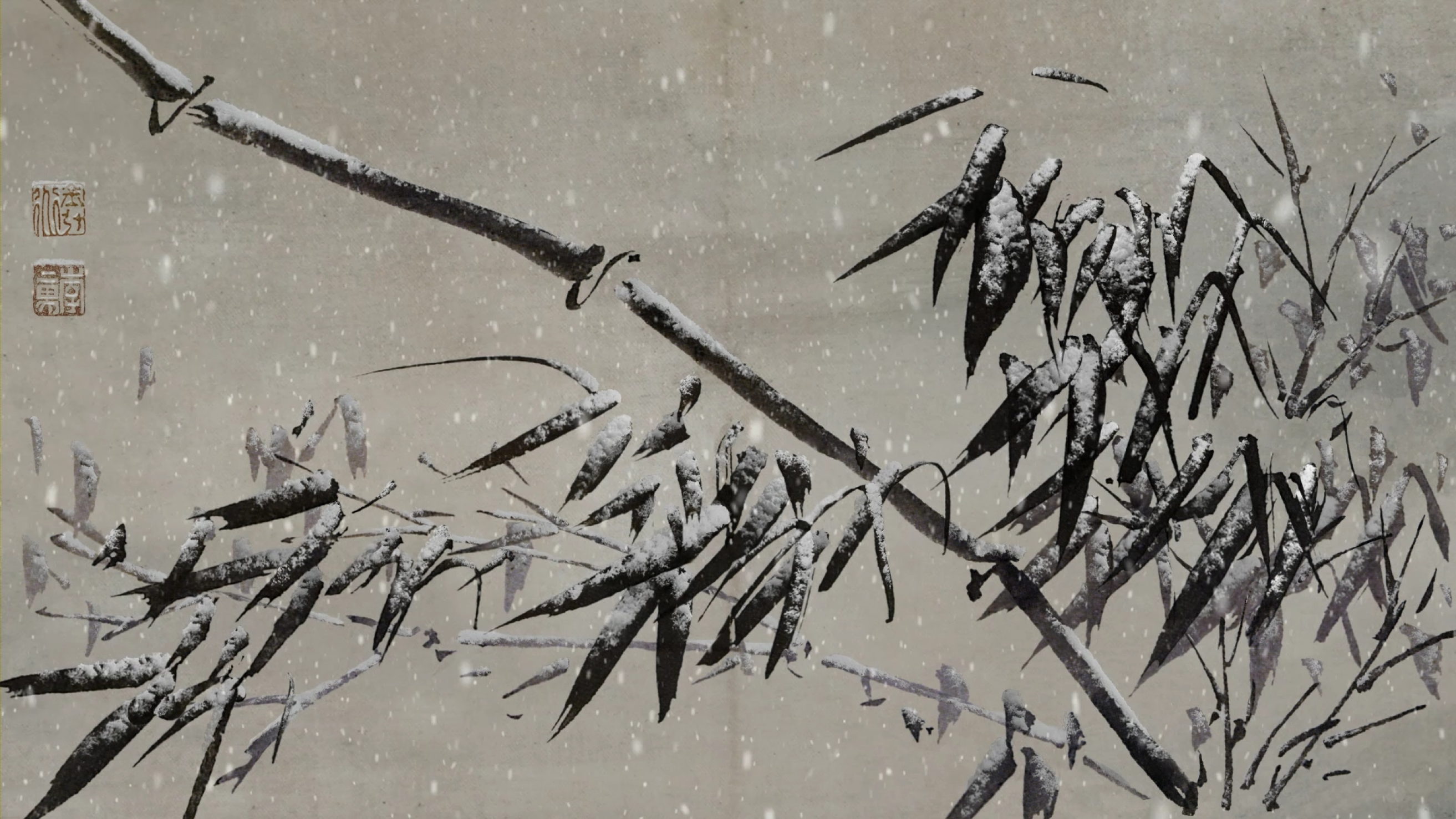
Lee Lee Nam, born in 1969 in Damyang, South Korea, is a leading figure in media art, known for blending classical masterpieces with digital animation to create entirely new visual experiences. Originally trained as a sculptor, he earned his BFA from Chosun University in 1995 and later completed a Ph.D. in Fine Arts at Yonsei University, where he focused on the intersection of art and technology. Lee’s signature approach involves reimagining traditional works, both Eastern and Western, by infusing them with subtle, often poetic movement. His videos bring still images to life, prompting viewers to reconsider familiar visuals through the lens of time, memory, and transformation.
Over the course of his career, Lee has exhibited in more than 800 shows around the world, including at the Saatchi Gallery in London, the Venice Biennale, and Korea’s National Museum of Contemporary Art. His work often bridges past and present, as seen in standout pieces like Parkyeon Waterfall and Cartoon Folding Screen. In 2016, he became the first Korean artist to showcase a virtual reality artwork using Google’s Tilt Brush at the Busan Biennale. His art is held in major public and private collections, including the United Nations headquarters in New York and the Asian Art Museum in San Francisco, solidifying his reputation as a boundary-breaking artist who continues to reshape how we engage with cultural heritage.