Title
Collector's Review
Artist
Opening Reception
Exhibition Period
The Collector’s Review brings together a compelling range of work from both familiar names and fresh voices represented by the gallery. Every artwork begins somewhere with a moment, a memory, or a question that needs exploring.
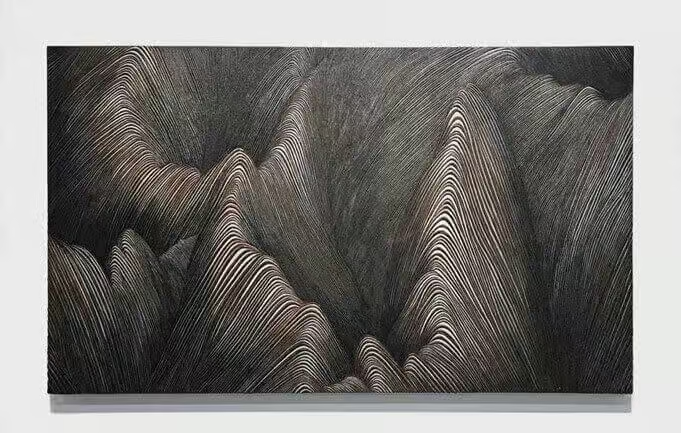
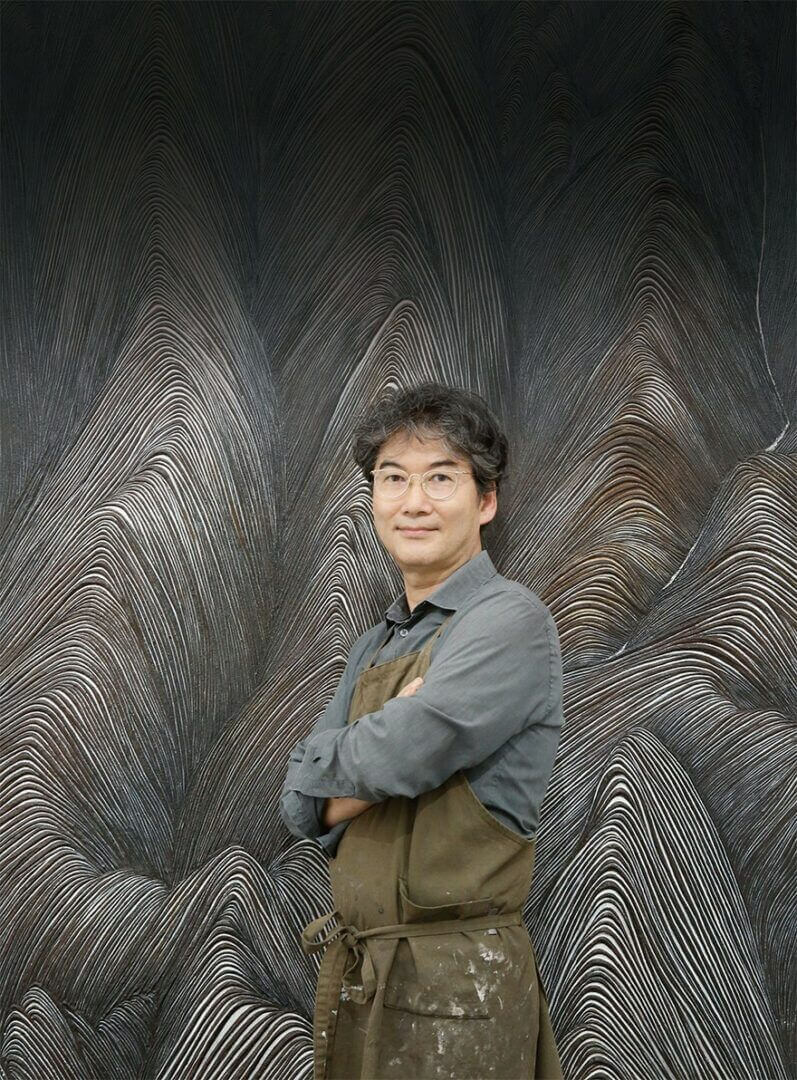
For Kim JongKu, that exploration takes shape through iron powder and silk, materials that feel both heavy and ephemeral. His abstract fe-Mountains and Plant series read like meditations on nature and time, physical yet poetic, rooted yet open-ended.
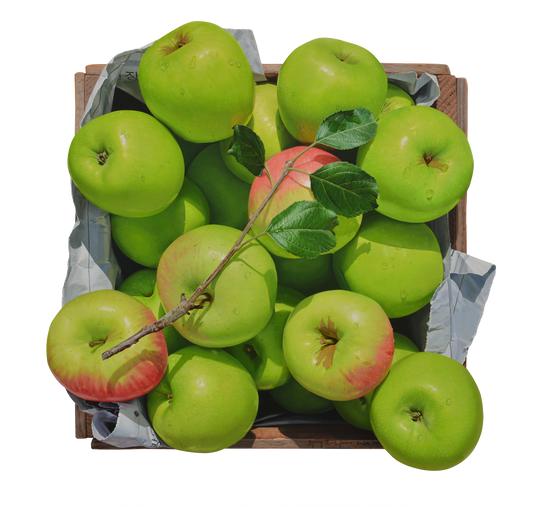
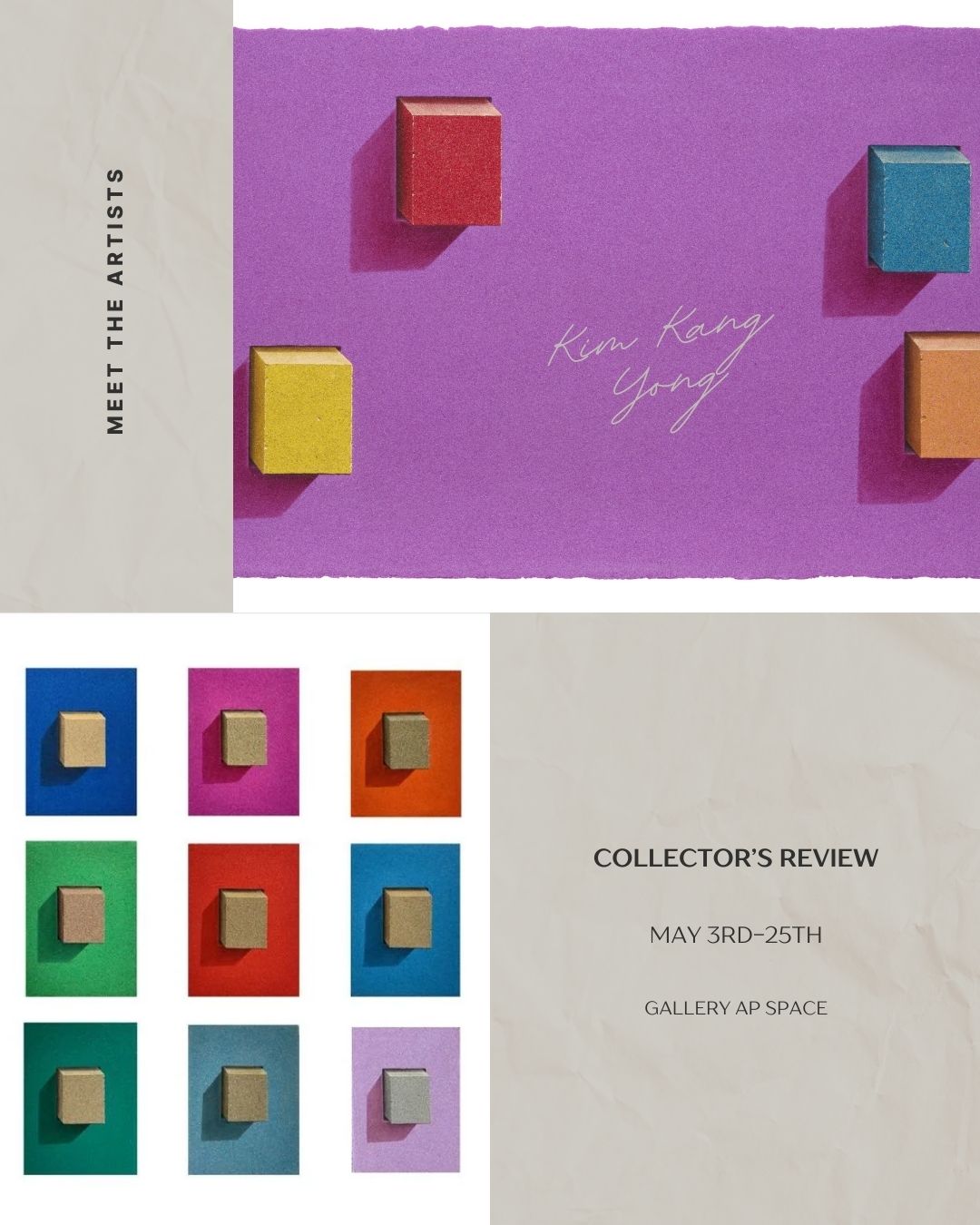
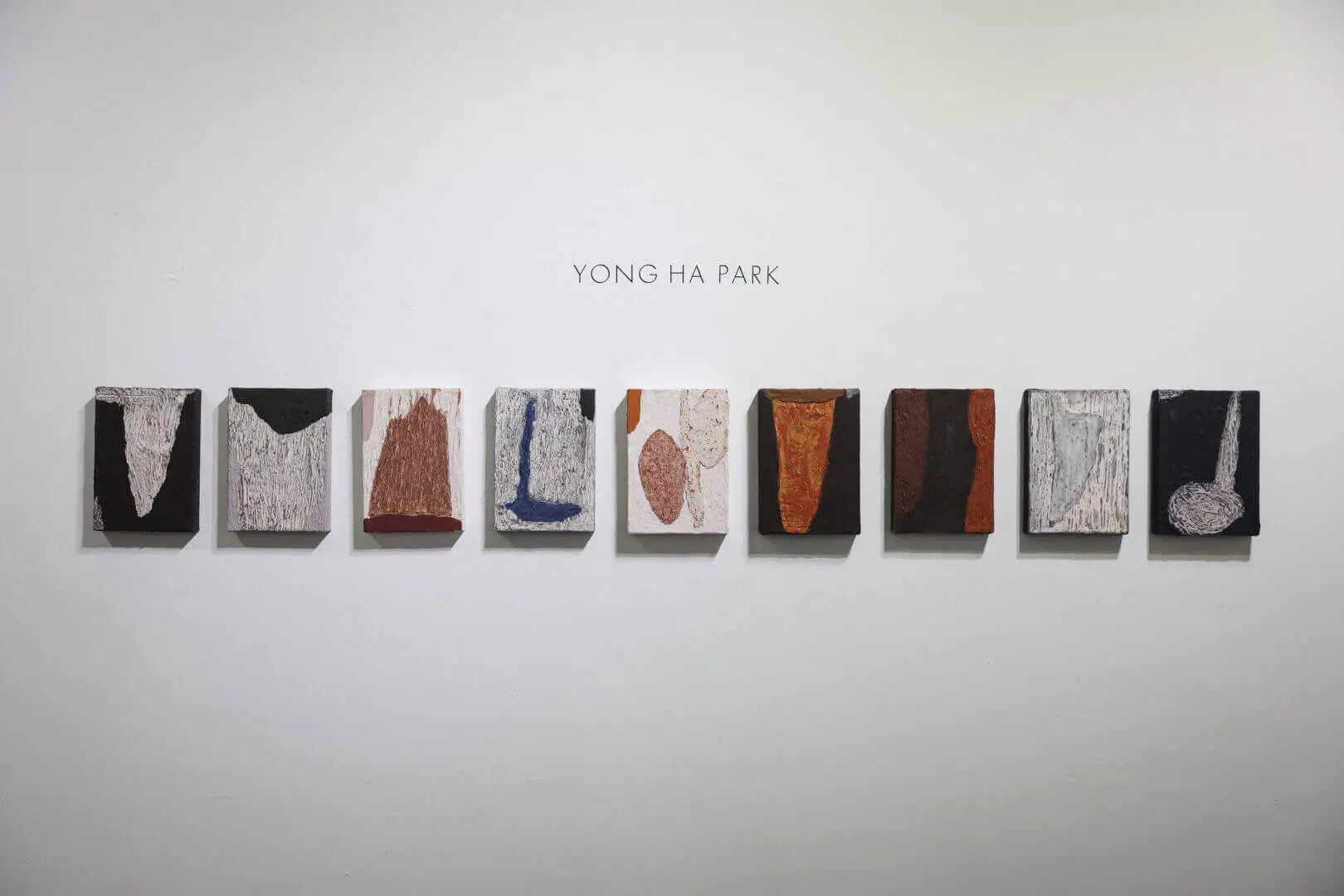
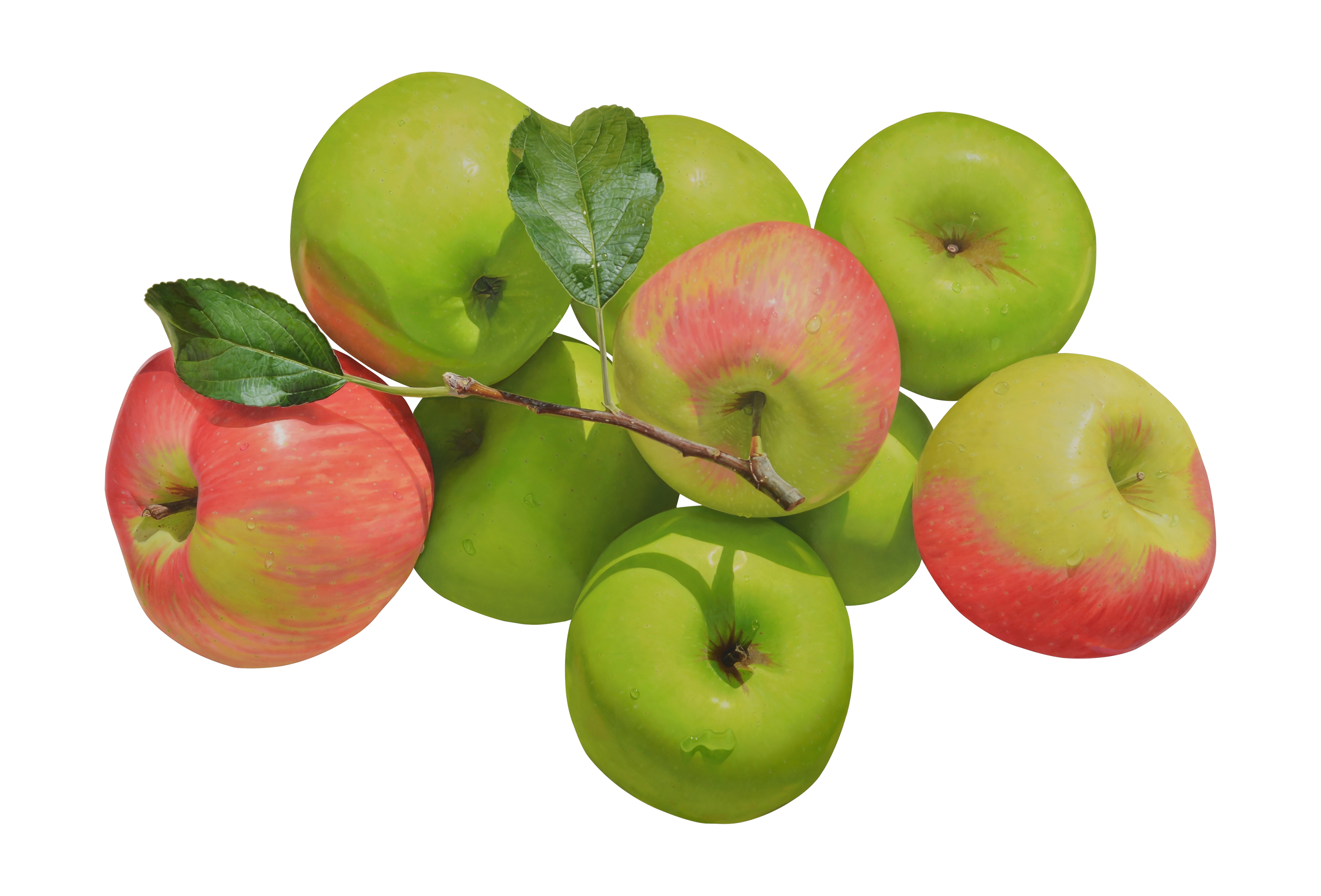
In contrast, Yoon Byung Rock’s paintings of apples and seasonal scenes have a quieter intimacy. Using traditional Korean paper, his oils evoke a kind of stillness that draws you in. These aren’t just apples. They’re memories, metaphors, and moments preserved with care. Kim Kang Yong’s layered compositions challenge the boundary between what we see and what lies beyond it. His Reality + Image works blend oil, stone, and sand, hinting at landscapes or impressions just out of reach, like dreams you can almost remember. Among the most intimate works in the show are those by Young Ha Park, whose recurring series Thou to be seen tomorrow spans two decades. Each piece, while small in scale, holds quiet intensity. Whether on paper or canvas, they feel like fragments of thought, unfinished conversations with the self, echoes of something not yet fully spoken.
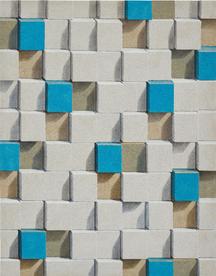
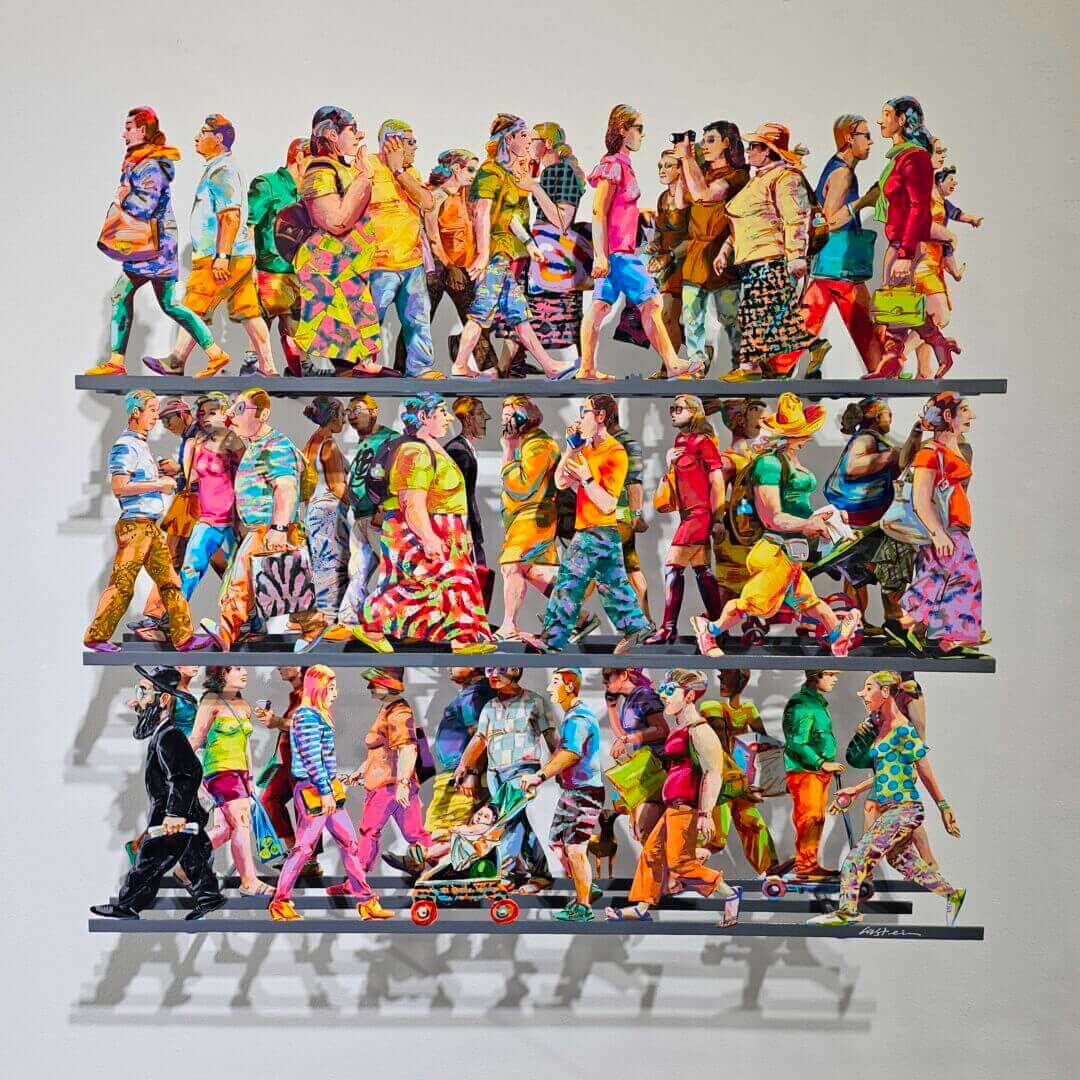
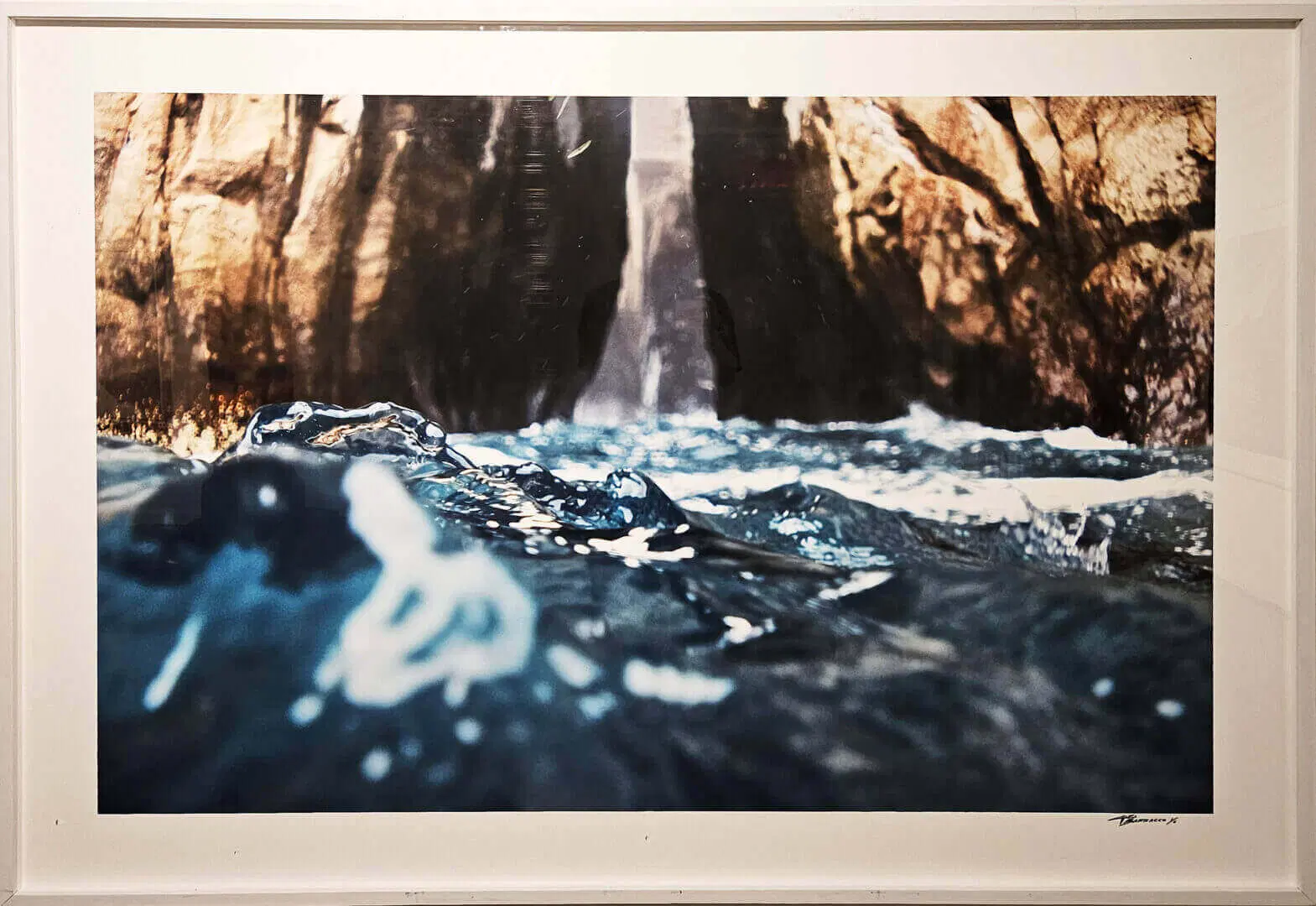
Meanwhile, David Gerstein’s aluminum cutout works such as the 5th Avenue series burst with color and motion. At first glance, they’re playful scenes of New York life but look longer, and you start to sense the rhythm of the city—the constant flow, the chaos, the joy of a shared sidewalk. Art doesn’t happen in isolation. It reflects the world around it, its tensions, beauty, and shifts. Enzo Barracco’s photography from the Galápagos, for example, captures more than landscape. His photograph from The Skin of the Rock series feels like a quiet protest, a visual reminder of what’s still wild and what’s at risk of disappearing. The same sense of awareness runs through Petrus Bergstrand’s Visitor of the Four Angles. Painted in acrylic, the work is geometric and grounded but filled with spiritual suggestion. There’s structure but also mystery. In Choi Young Wook’s richly textured Karma series, the title alone invites questions about consequence and continuity. These pieces offer no clear narrative, only layers, just like life. Look closely, and meaning begins to emerge in unexpected places.
.jpg)

Artist
With a background in Fine Art from Kyungbook University in Daegu, Korea, and having also completed a graduate course in the same department, Yoon’s talent and passion for art are undeniable. Since 2003, his works have been showcased in prestigious international fairs such as the Shanghai Art Fair, Singapore Art Fair, Dubai Art Fair, Taipei Art Fair, and Miami Art Fair. Yoon has also been a part of notable group exhibitions, including ‘The truth about the six rooms’ at the Savina Museum of Art in 2006, ‘Illusion/Disillusion’ at the Seoul Museum of Art in 2006, ‘The flow – Daegu’s artists’ at the Posco Museum in 2006, and the KCAF Korean Contemporary Art exhibition at the Seoul Art Center in 2005.
Yoon’s talent has been recognized through awards, such as the Special Prize in the 12th Grand Exhibition of Korea in 1993 and the First Prize in the 18th Grand Exhibition of Daegu Art in 1998. His works have even been admired and collected by the National Museum of Modern Art, Daegu District Publ. Prepare to be captivated by Yoon’s exceptional artistic vision and skill.
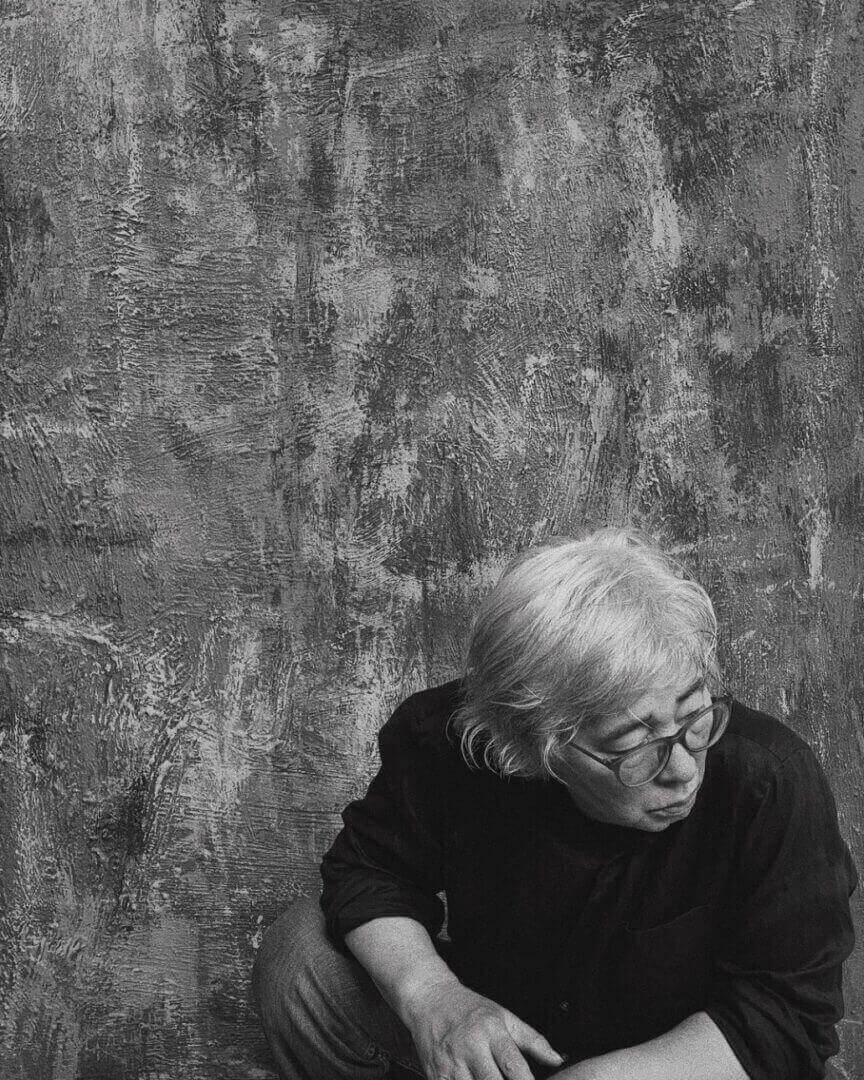
Discover the captivating world of Young-Ha Park, a renowned Korean Asian Modern & Contemporary painter. Born in 1954 and a graduate of Hongik University, Park has a unique artistic style that truly brings the traditional mud-plastered walls of Korean rural houses to life.
Through the use of matieres techniques, Park adds a tactile quality to his paintings, blending fine sand, gold dust, and stone powders to create mesmerizing textures. With the help of metal scrubbers and rustic tools, he skillfully layers these materials, resulting in an awe-inspiring visual experience.
Nature serves as Park’s greatest muse, and he skillfully captures its essence in an abstract manner. Prepare to be transported to a world where art and nature intertwine, as you explore the captivating works of Young-Ha Park.
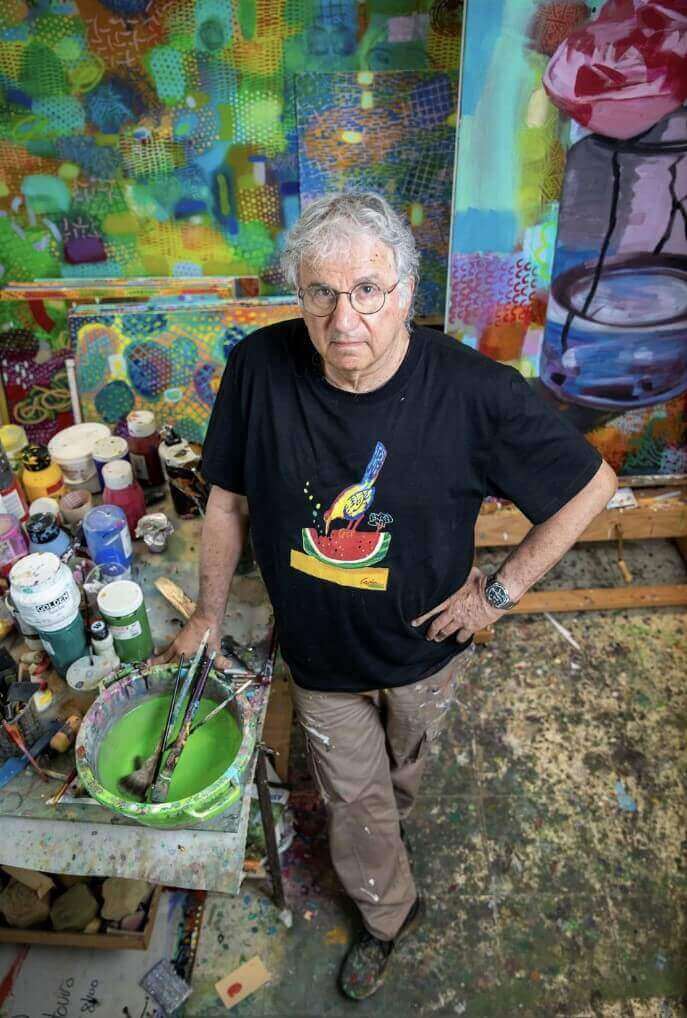
David Gerstein, born in 1944 in Jerusalem, is an Israeli artist widely recognized for his colorful and energetic works that blur the line between painting and sculpture. He studied at top art institutions across the world, including the Bezalel Academy in Jerusalem, the École des Beaux-Arts in Paris, the Art Students League in New York, and Saint Martin’s School of Art in London. Initially known for his figurative paintings, Gerstein began pushing the boundaries of traditional art in the late 1970s by introducing cut-out images and later developing his signature laser-cut metal wall sculptures. His work captures scenes from everyday life like cyclists, city streets, birds, and butterflies brought to life with bold colors and layered forms.
Gerstein’s pieces are displayed in public spaces and private collections around the world. He has created more than 40 public installations in Israel alone, and his 18.5-meter sculpture Momentum in Singapore stands as one of the tallest public artworks in the country. His art has reached a broad audience, attracting collectors like Lance Armstrong and even appearing in popular literature, including Stephen King’s Duma Key. Gerstein’s approach emphasizes joy, movement, and accessibility, offering a fresh, optimistic take on contemporary life through a blend of sculpture, painting, and design.
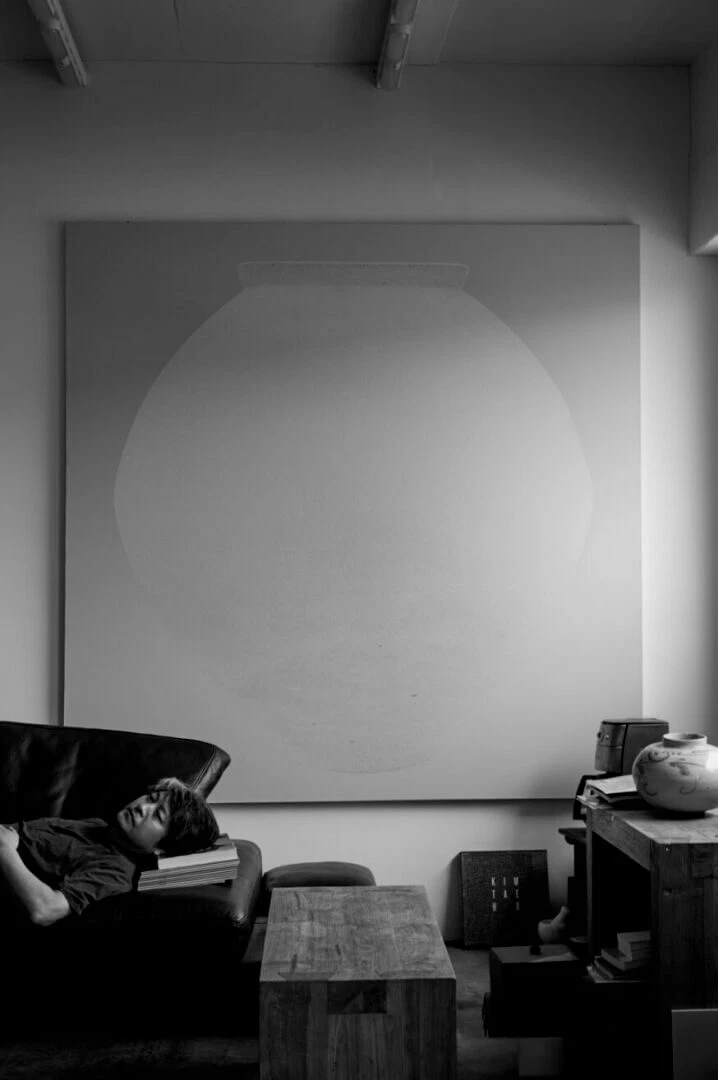
Choi Young Wook (b.1964) is a Western style painter, known for his painting series, “Karma”. Choi has devoted fifteen years to capturing the beauty of a traditional Korean vessel: a moon jar.
“My paintings are images of memories and a medium of communication.”
-Choi Young Wook
Choi completed his Bachelor of Fine Arts degree in Painting at Hongik University in 1991, followed by the attainment of his Master of Fine Arts degree in 2000. He initiated his artistic career with solo exhibitions as early as 1992, marking the inception of a trajectory characterized by continual growth and development. Notably, his pieces have been acquired by esteemed institutions such as Bill Gates Foundation, Gianni Versace, Korean Air, the Philadelphia Museum, the National Modern Art Museum of Korea, Luxembourg Palace, SK Group, Lotte Group, and more.
Throughout the past decade, Choi has dedicated himself to refining his expertise in the creation of moon jars, establishing them as his signature way of expression. During his quest to find his personal style and way of expression, he encountered a Joseon-era moon jar in a museum during his trip to Europe and the US. It was then this finding led him to research, collect, and continuously paint to perfect his skills.
Today, Choi seamlessly intertwines East Asian tradition with the expressive ethos of Western modern painting, utilizing his technique and style as a conduit for this fusion. Through his artistry, the historic Joseon moon jar breathes again.
Artist Kim Jong-gu, born in 1963, studied sculpture at Seoul National University and its graduate school before earning a master’s degree from Chelsea College in the UK. During his graduate studies, he won the grand prize at the 9th Korea Art Exhibition. Since his first solo exhibition at Arko Art Center in 1993, he has held a total of 19 exhibitions at venues including the Kim Chong Yung Museum, Spencer Museum in the U.S., and the National Cheongju Museum, while also participating in numerous group exhibitions. His works are housed in institutions such as the National Museum of Modern and Contemporary Art, the Seoul Museum of Art, and the Spencer Museum. He is currently a professor at Ewha Womans University. In his early work, Kim sculpted massive metal blocks to depict human forms. Unlike traditional sculpture materials such as clay, wood, or stone, he chose metal for its unique quality, despite its difficulty in carving. A turning point in his practice occurred in 1997 when three of his works were stolen during an exhibition in the UK. While reworking his lost sculptures, he began collecting iron dust from his studio floor and experimenting with it as a medium. Kim’s transformation of solid metal into dust is not only a physical change but also a conceptual one, symbolizing the shift from industrial rigidity to a more fluid, inclusive perspective. By repurposing metal dust—a byproduct of sculpting—he transitions from the verticality of sculpture to the horizontality of painting. His work reflects a desire to replace hierarchical structures with more open, horizontal ones, encouraging viewers to experience mental and spiritual freedom, akin to the liberated nature of scattered iron dust.